While preparing the 2016 demoreel, I’ve just found two covers I did during last year I was totally unaware of… This seems to be alive beyond my control.
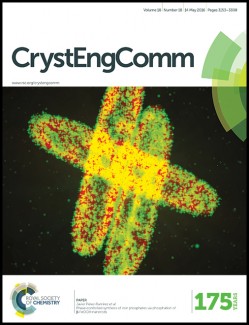
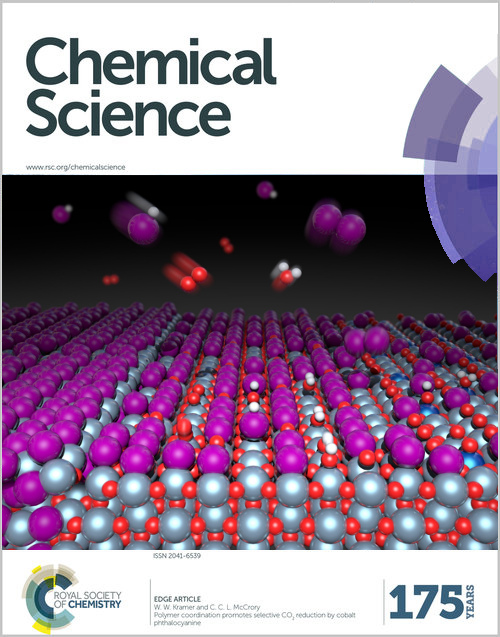
While preparing the 2016 demoreel, I’ve just found two covers I did during last year I was totally unaware of… This seems to be alive beyond my control.
At Cristina Flors’s research group they have been able to study bacterial death in real time. Bacterial death is induced through the combination of light and photosensitizers. This way it is possible inspect the pathway of photodynamic damage at the single-cell level.
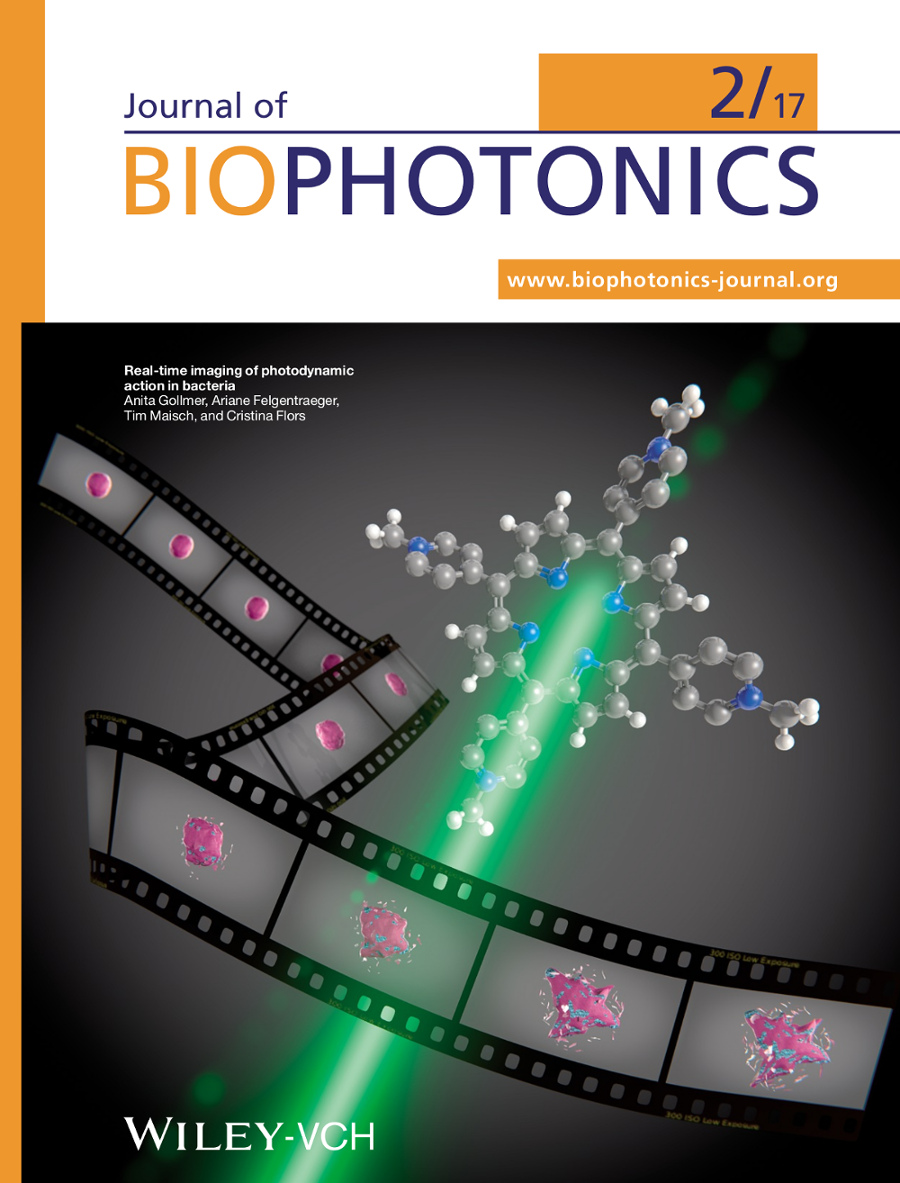
Their work has been awarded with the cover of February’s issue of the Journal of Biophotonics.
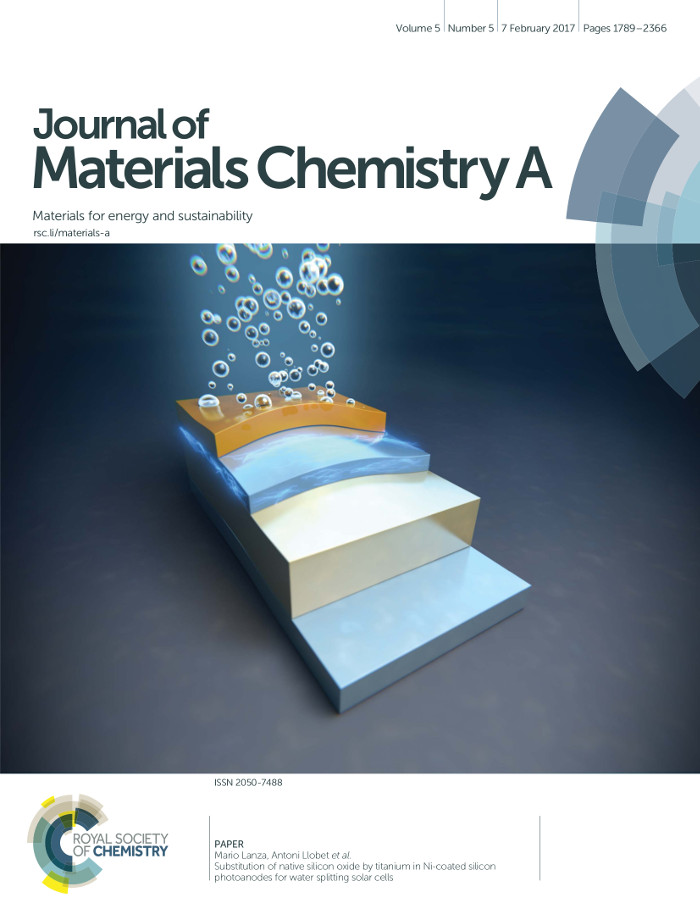
As said before, Dr. Lanza’s research group doesn’t seem to sleep at all. Their recent work on water splitting has earned the cover of Journal of Materials Chemistry A.
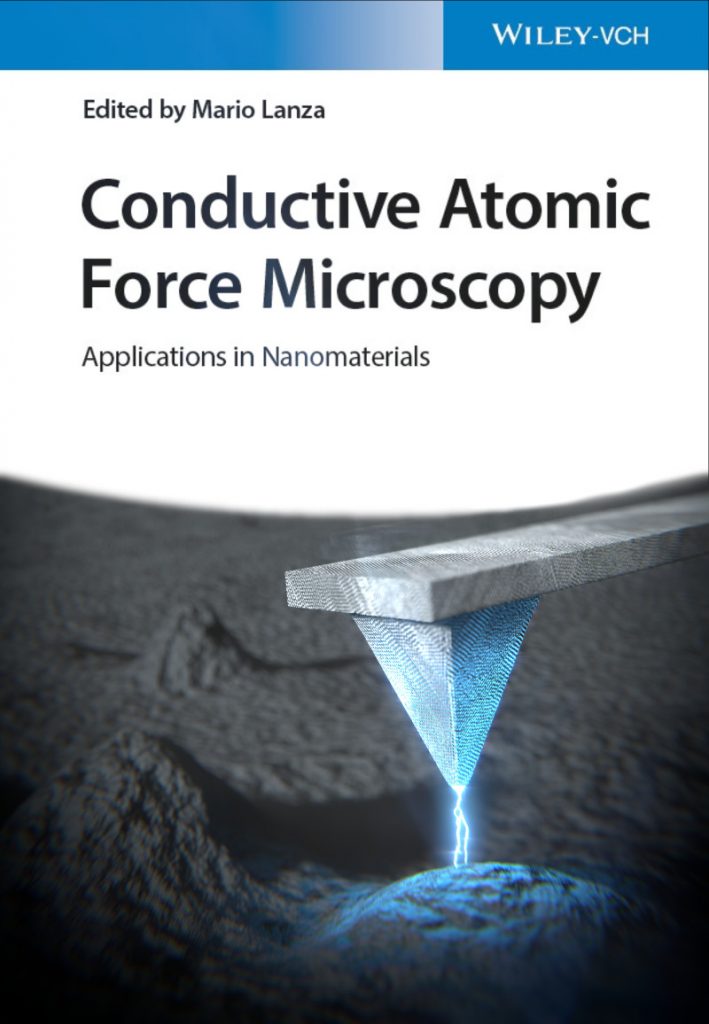
Dr. Lanza’s research activity is somewhat beyond understanding. At least beyond our understanding. Here is a good example: his new book on Conductive Atomic Force Microscopy, where he, together with leading researchers, provides a global perspective on the subject and covers novel strategies, configurations and setups where new information will be obtained with the help of CAFM.
If I got this right, Dr. Ivan Lopez Montero et al, had fuelled ATPases by placing them in a lipid membrane over a modified metallic surface. Using this surface as an electrode, now they can make ATPase work creating ATP molecules wherever they are needed… Yes, I’m not kidding.
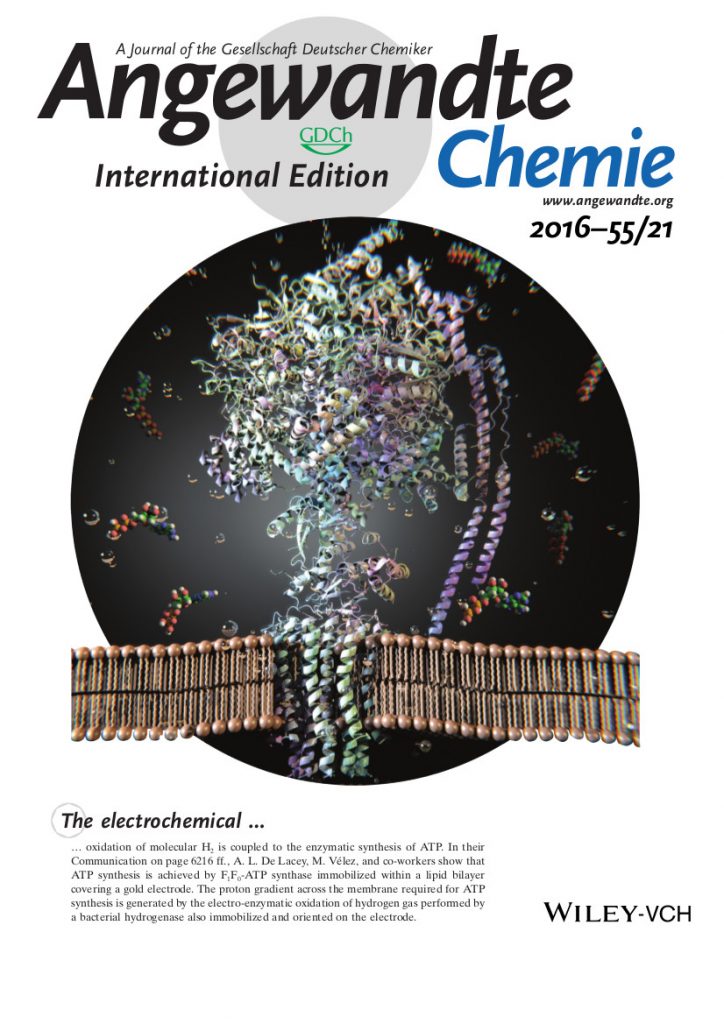
This is the kind of research that make you fantasize about the near future. Not surprise that their work made the cover of Angewandte Chemie International Edition
Mario Lanza’s group reports an exciting development of a graphene product consisting of ultra-sharp nanoprobes coated with graphene flakes at the apex. This coating remarkably enhances the reliability and lifetime of the tips, and it also can provide additional properties.
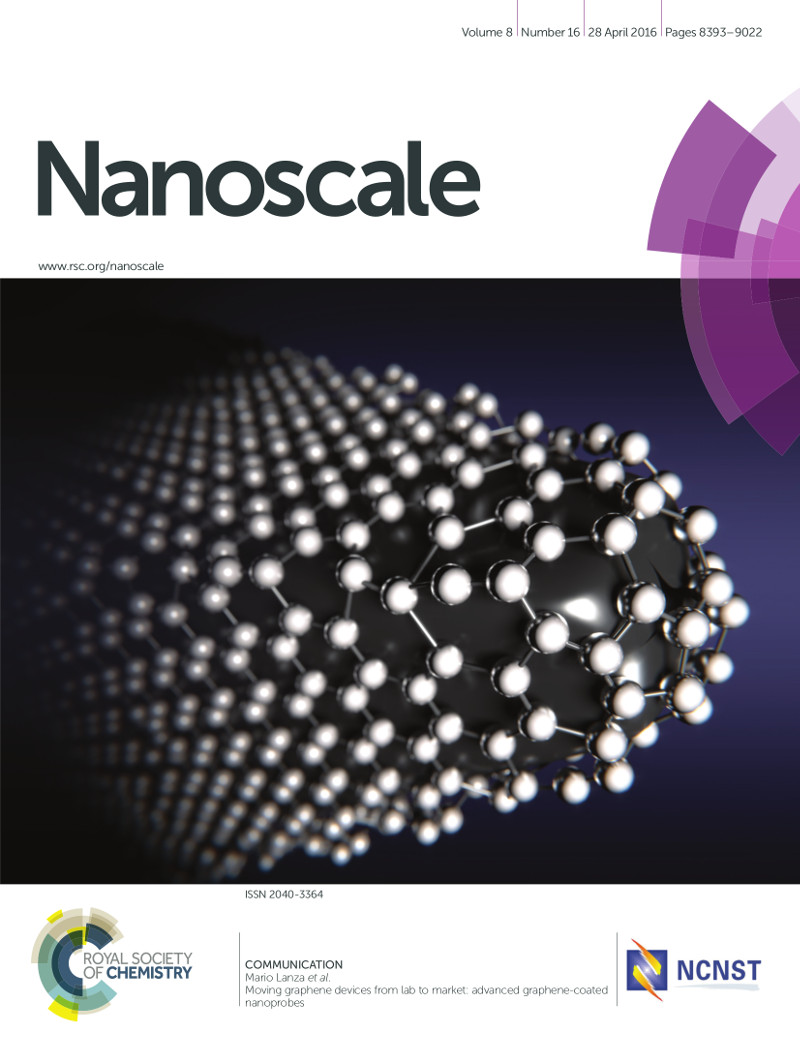
This work made the cover of the last issue of Nanoscale.
AFM was invented 35 years ago. Then, its capabilities were already impressive. But 35 years later, researchers have boosted its sensitivity and amazingly spread its spectrum of the quantities measured. Ricardo Garcia’s group, ForceTool, has participated in this process in a prominent position. In this last work , they’ve pushed these boundaries yet a little further.
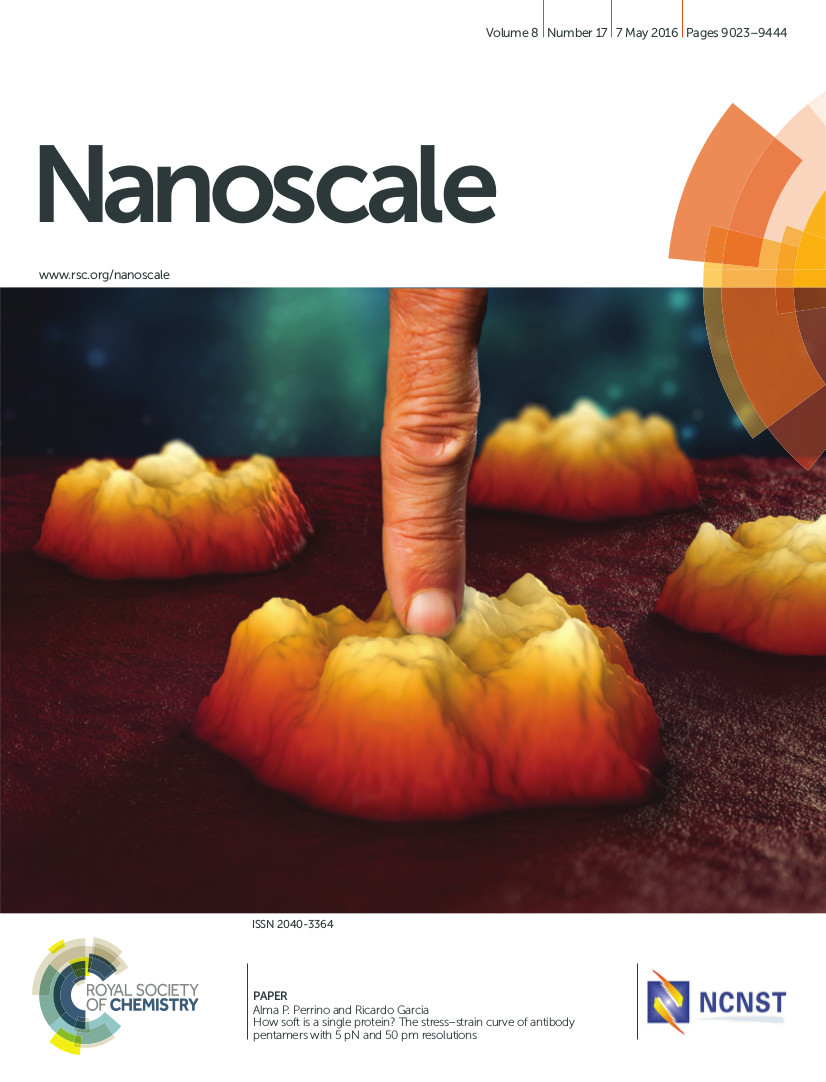
This work is the result of the collaboration of Pataata and Scixel. We are expecting it to be just the first of many.