We’ve started a collaboration with Prof. Paul R. Berger, editor in chief of the IEEE Journal on Flexible Electronics, and made a few covers for the journal.
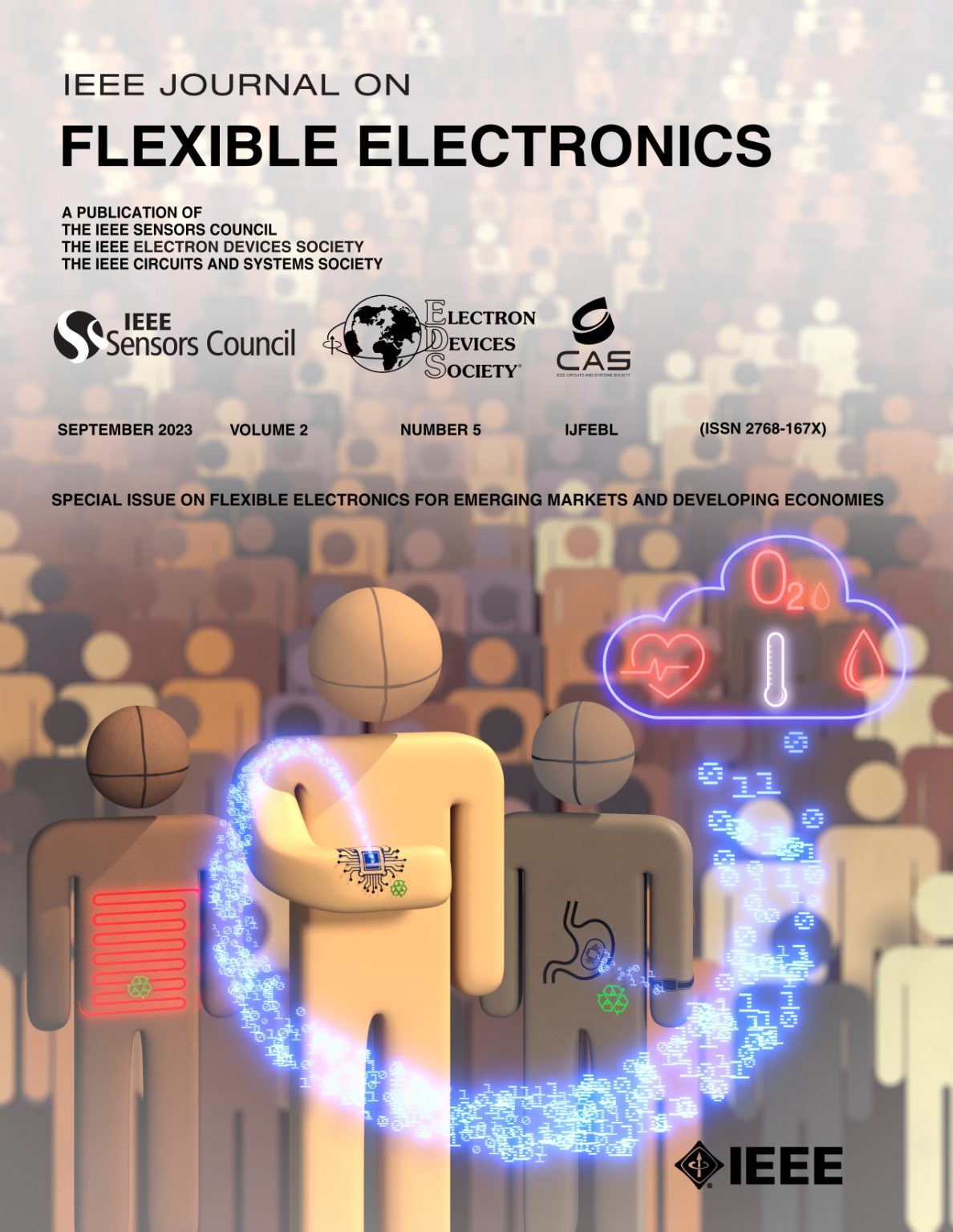
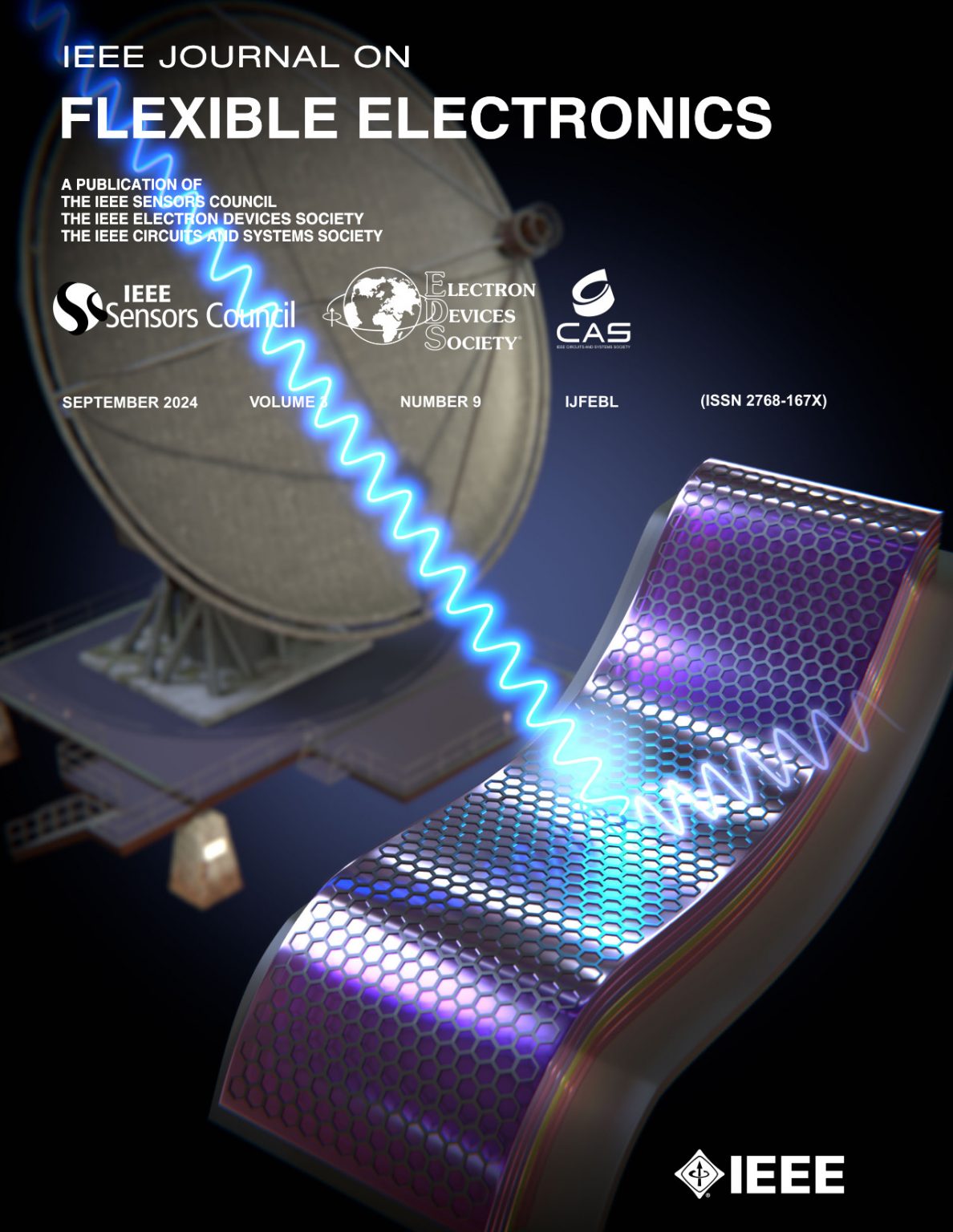
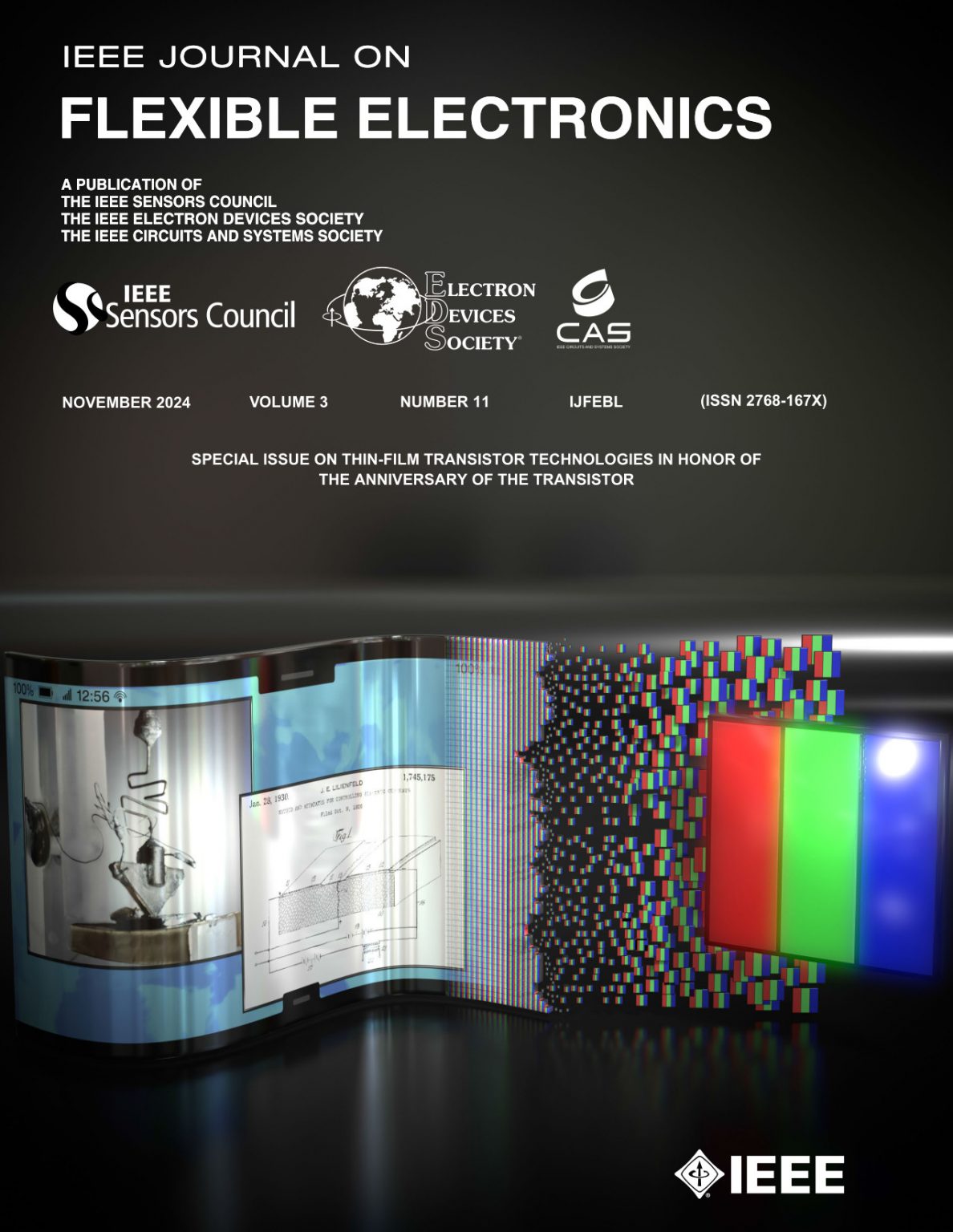
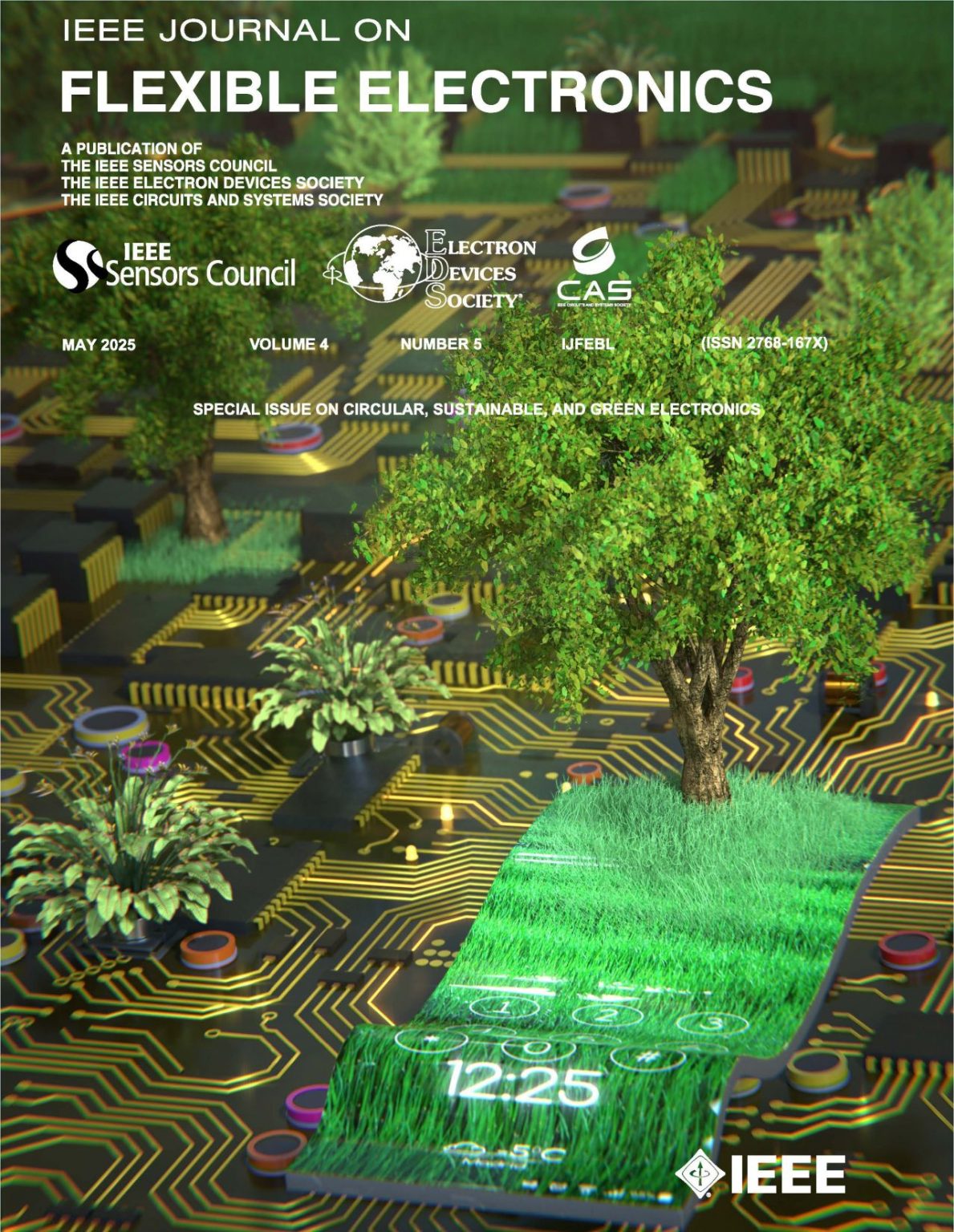
A great experience and a great opportunity to meet researchers and their work.
We’ve started a collaboration with Prof. Paul R. Berger, editor in chief of the IEEE Journal on Flexible Electronics, and made a few covers for the journal.
A great experience and a great opportunity to meet researchers and their work.
Dr. Johan Christensen’s research is focused in the manipulation of mechanical waves and how to manipulate them by using metamaterials.
In this last work, published in Advanced Materials, together with researchers from China, they’ve built a metamaterial with micrometer sized pillars that exhibit important and useful properties. In particular, the mechanical surface states on this structure are exceptionally robust. This ability to manipulate and focus ultrasound will be useful for therapeutic uses.

We, together with Dr. Johan Christensen, made this picture that it’s been featured at the cover of Advanced Materials.
2D van der Waals (vdW) magnets are amazingly useful for their applications in spintronics but they are difficult to built. This is mainly because growing these crystals require high temperatures and high temperatures weakens their magnetic properties.
A huge collaboration between researchers from three continents have developed a low temperature method to safely build these crystals that preserves their properties. Their publication has been featured in the cover of Advanced Materials.

It’s been quite a while since our last reel, so here it is. I have to say that I’ve been busy (thanks to you all), so I guess these delays are good news after all. This summary of the last couple of years makes symbolizes 12 years of Scixel, which is also kind of special.
The Third Daughter saga is this project of ours in which we try to tell the story of the Earth as if it was a myth: with the poetry of myths and the beauty of science. This project was put on hold due to my commitments with my real job. But now I’m trying to find time to finish it. Hope you like it!
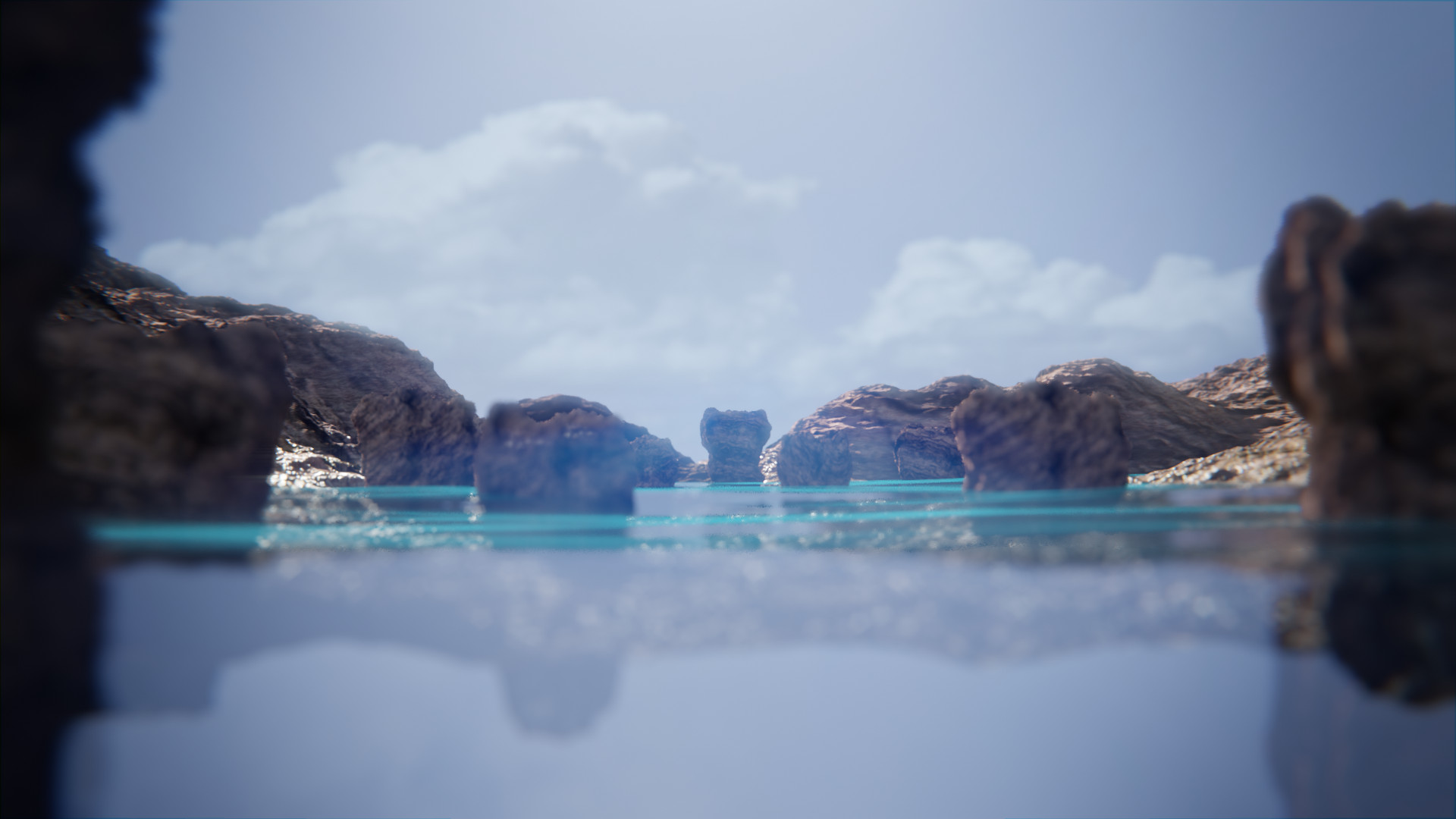
In this chapter we tell the story of the birth of Wâljei.
I’m proud and happy to say that I’ve been working for quite a long time now for Prof. Philippe Treutlein, at Basel University. Happy because they are a particularly nice group of people and proud because they are quite ahead of their game.
This time they’ve made it to the cover of Physical Review Letters with a new advance in the fabrication of quantum network implementations. They’ve developed a ground-state quantum memory protocol using laser pulses at the single-photon level in a microfabricated vapor cell. This memory has shown to be capable of on-demand read-in and read-out.
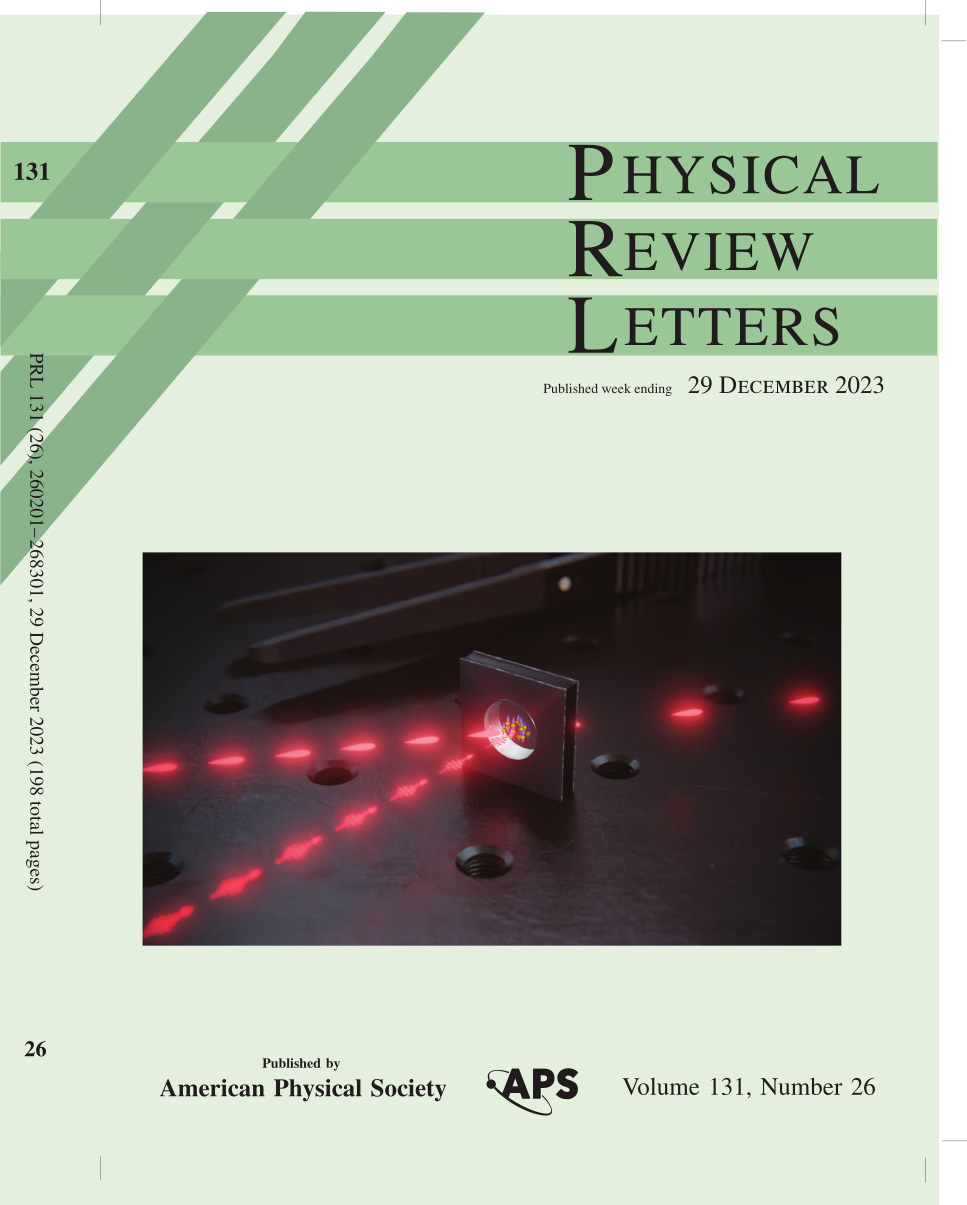
Together with the first author, Roberto Mottola, we’ve made a picture showing the functioning vapor cell.
Big changes are about to happen in information technology. Spin waves, the collective spin excitations of magnetic materials, can be used to transmit information. That, provided we learn how to control and manipulate them.
M. Borst et al. at Toeno van der Sar lab, had just published a new breakthrough on this area. They’ve proved that spin waves in a magnetic thin film can be controlled with the use of a superconducting electrode.
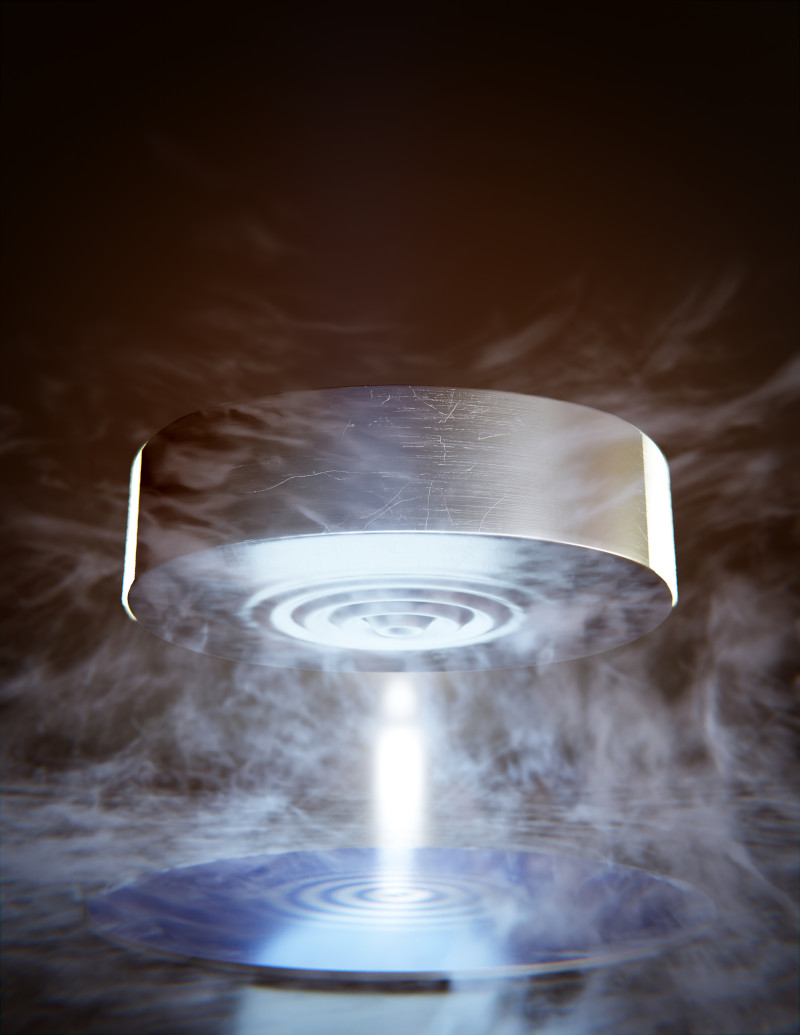
As M. Borst explains, “spin waves can be a promising building block for an energy-efficient replacement for electronics”.
We, together with Dr. Borst, prepared this picture for Science to illustrate this new discovery.
Castellanos-Gómez Lab is kind of obsessed with cheap production techniques of 2D materials. They’ve proved this multiple times on the past by developing imaginative ways of producing and laying 2D materials over cheap substrates or using low-cost and accessible procedures.
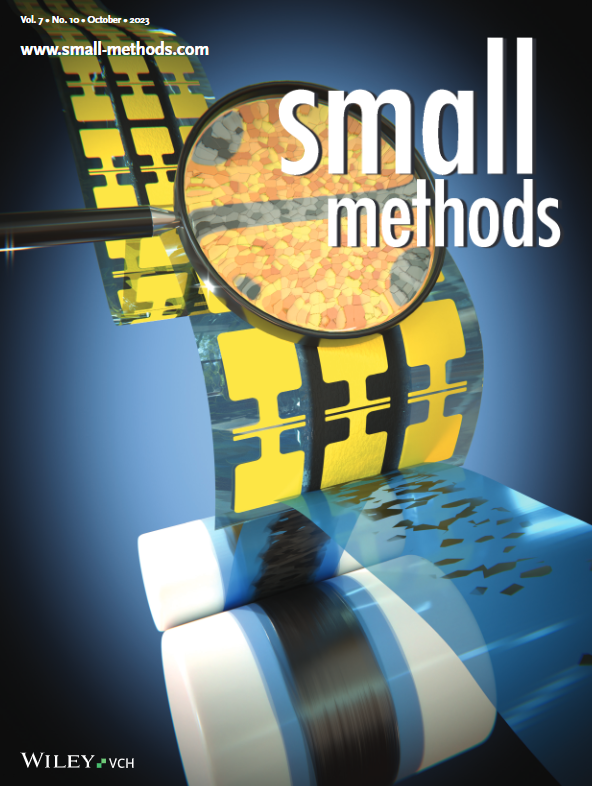
This time they’ve come up with a way to mechanically exfoliate van der Waals nanosheets using low cost tools. It is needless to say that this new technique shortens the distance between hardcore science and industry.
The picture that has been featured in the cover of Small Methods was made together with Carmen Munuera.
Putting cells together in a ball (cell spheroids) allows us to mimic the environment of biological tissues. At the department of Chemical Engineering, Delft University of Technology, a group of researchers have developed a strategy to study this spheroids mechanical properties using a glass capillary micropipette aspiration based technique.
This research, lead by Pouyan Boukany and Ruben Boot has been featured in the cover of Lab on a Chip.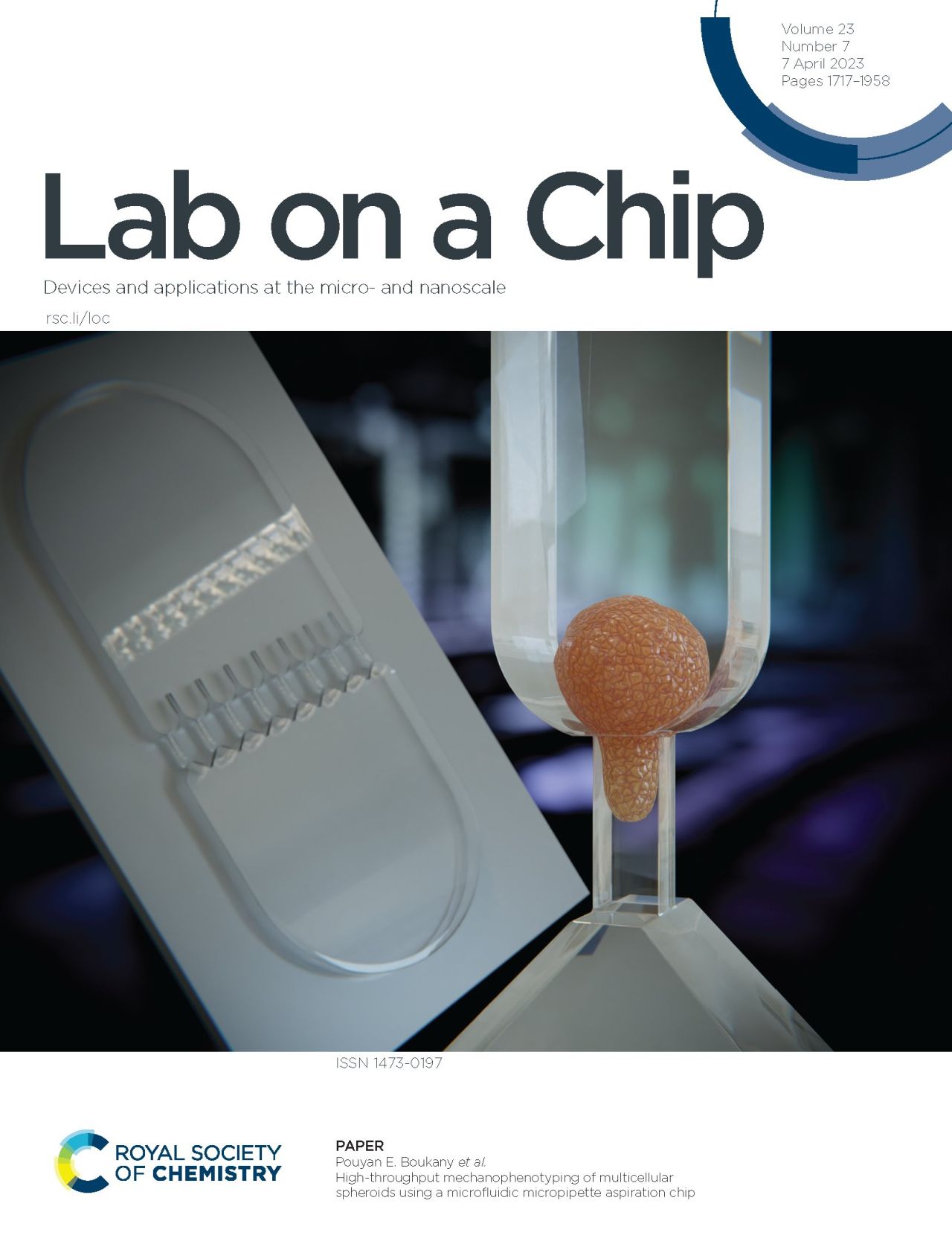
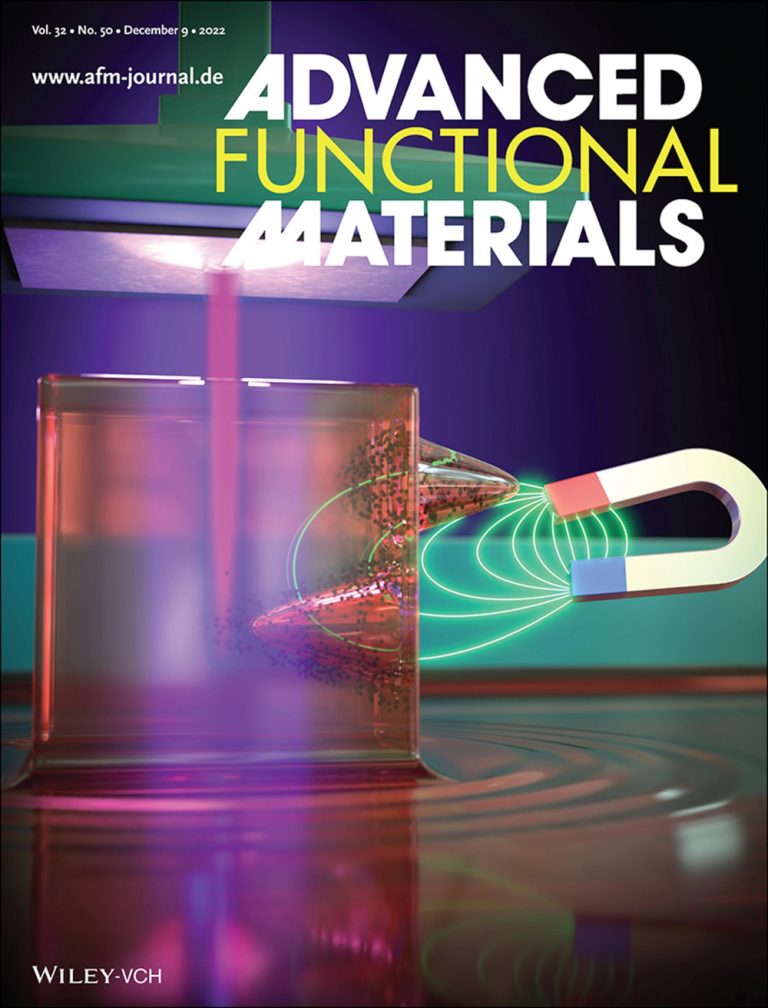
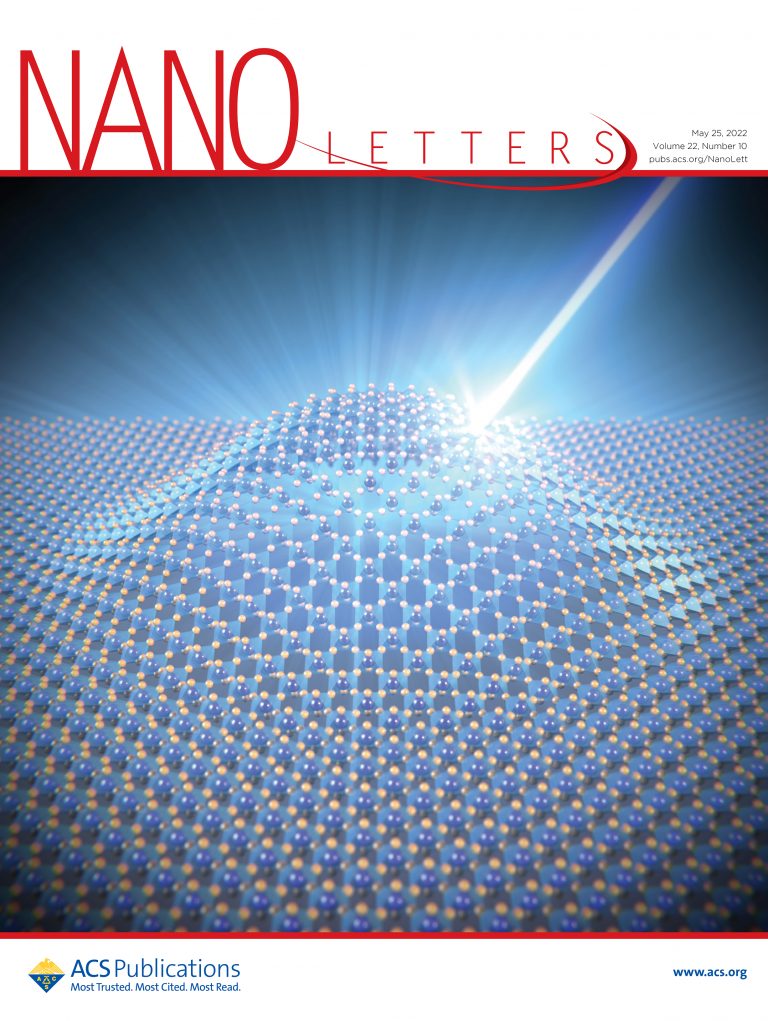
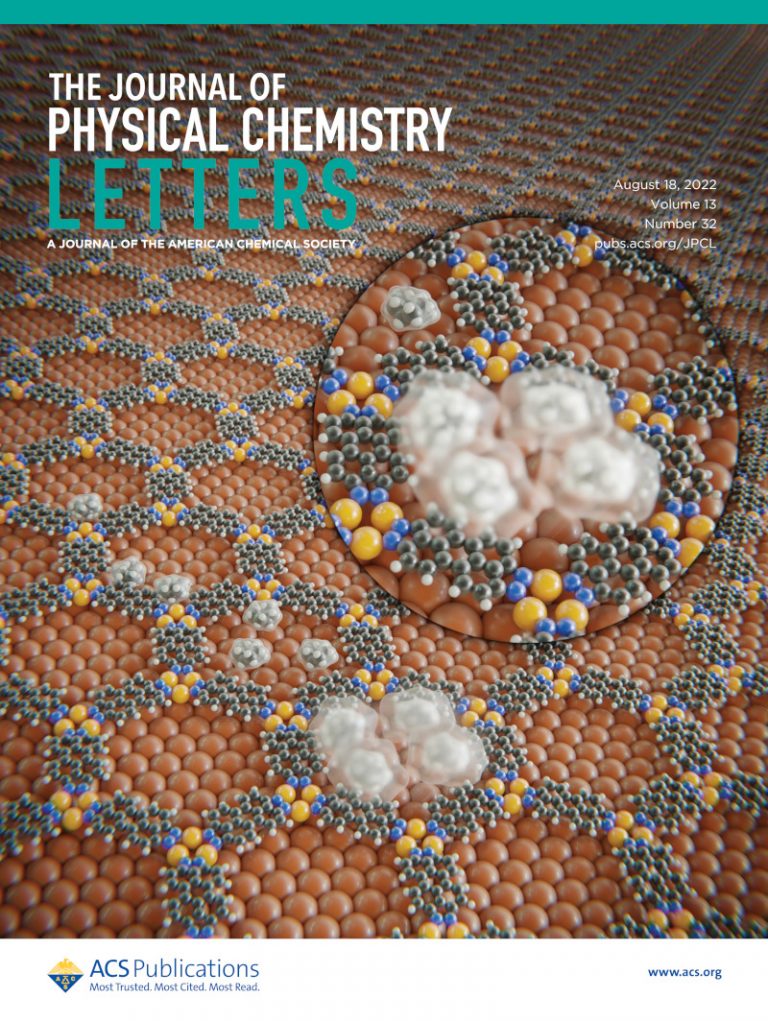
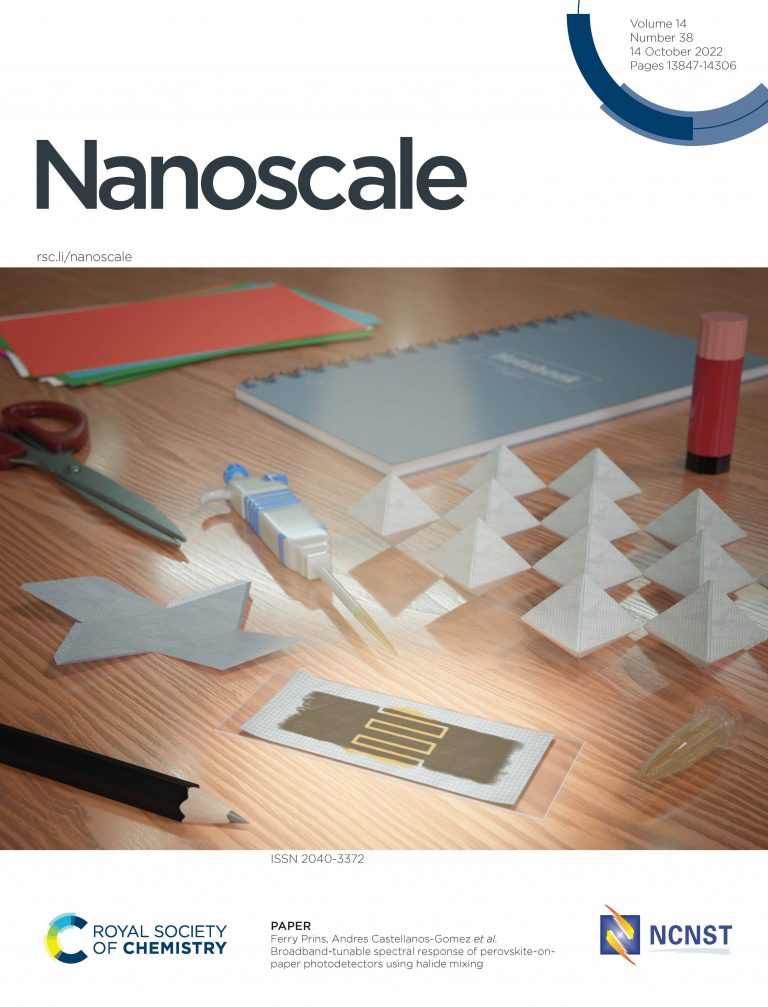
It’s been a few months without posting material. That doesn’t mean we haven’t been working! It is just that sometimes we can not talk about our projects due to clients privacy policies. And sometimes it is just that we have no time to do it. So we thought it would be a good idea to summarize some of the highlights of the last months. Here we show you a few covers from Dr. Sandra Camarero-Espinosa, Dr. Andrés Castellanos, Dr. Ferry Prins, Prof. Jung Thomas and Dr. Beatriz Martín-García.
We promise that we’ll be paying more attention to the website in the future!